

Of course, the truth is, we have no idea what we’re doing with our daughter. What we’ve done up to this point is swimming classes beginning at 10 months old, soccer classes beginning at 18 months old, as well as piano and Chinese language classes beginning at age 2. At age 3, she did a 6-week class in archery, several sessions of basketball, two 6-week sessions of ice skating, two 4-week sessions of pre-ballet, one 4-week session of creative movement dance, 6 months of gymnastics and 6 months of tae kwon do. She continued Chinese classes during age 3. We had several months of violin classes, although it was mostly sawing on the violin with the bow.
Just on the cusp of age 4, she has started Spanish classes. Right now, I think her Saturdays are perfect. Toddlerhood is a kinetic experience, so academics are difficult to focus on. Saturday morning starts out with soccer class, then Spanish class, which includes singing and dancing and energy, then a gymnastic-like creative movement dance class, finally a relatively low movement, but remarkably engaging Chinese class and at least the first week, followed by an hour in the local park playing soccer with dad. This mix of movement and theory seems to fit her now.
Why?
Some decisions are rudimentary. Drowning is a top cause of death for children ages 5 to 8, so we want our daughter to be able to save herself if she falls into water. Swimming is really a survival skill.
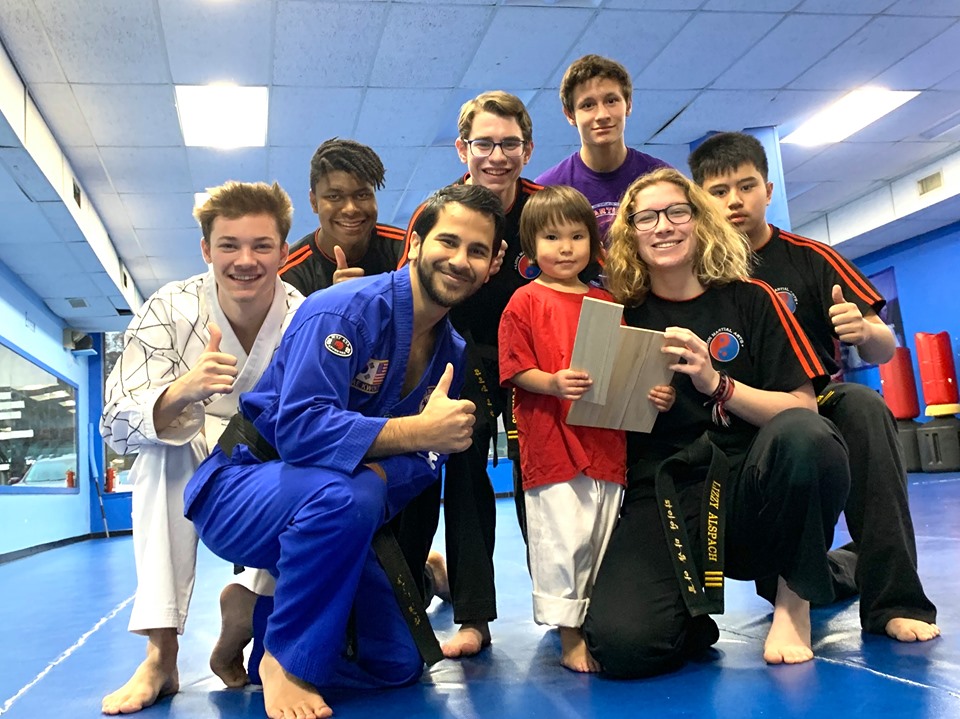
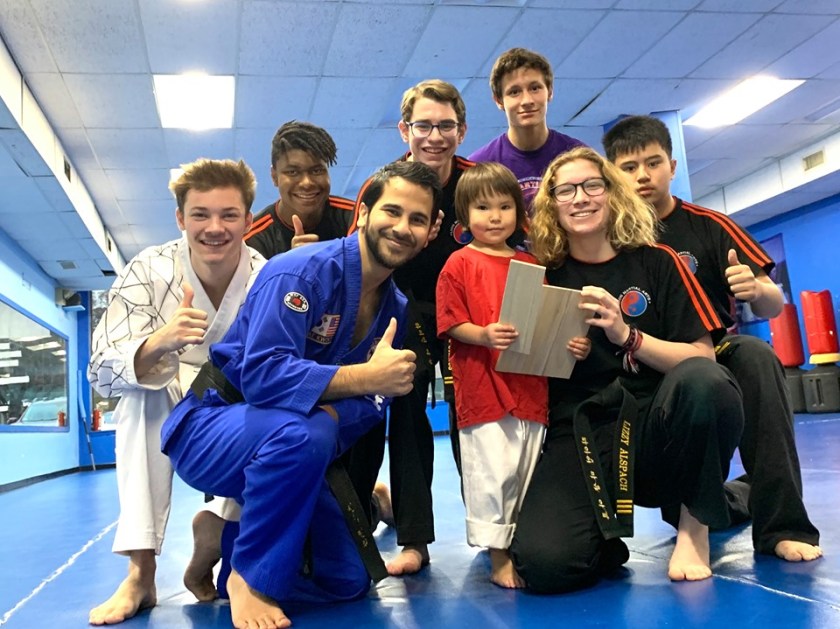
The Tae Kwon Do was added per her preschool principal’s recommendation because Ann was remarkably abusive to adults and peers around age 2. The principal rightly assessed that martial arts would reduce her violence toward people nearby her. Now, even when she wants to kick and punch things at home, she asks me to hold a pillow the way they hold padded targets in her school. Why does she like to kick and punch things? I have no idea.
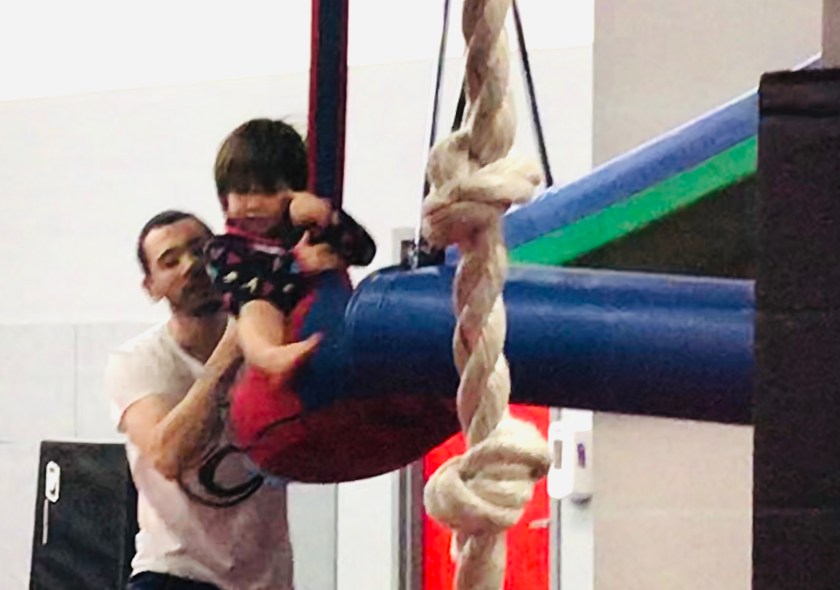
Other activities like basketball, dance, soccer, gymnastics are just to keep her moving because she has a surprising amount of energy, and we feel exhausted.
Overscheduled?
Experts say, which I’m not actually sure, that unstructured play is critical. I’m not entirely certain what that means, but what I have observed is that when she had a 6-session series of ice skating, the Wells rink gave us a plastic punch card with 6 free sessions at their various open skating days. I managed to get Ann to the rink 9 times during the 6 weeks. In addition to her classes. She seems to make better skill gains on non-class days. This isn’t to say that classes are bad or a waste of time and money. When she has a class, like swimming once per week, she often replicates some of the movements from her class during her free swim time. I usually managed to get her to the pool twice per week in addition to her class.
 I have discussed this principle with her piano instructor to no avail. Ann is a completely different person on her home keyboard in her playroom than in the exalted hall of her music school. At home she literally stomps on the keyboard. At school when we arrived early, she carefully explored the keyboard, often making short compositions herself of 3 keys. One sounded a bit like the classic iconic notes from the theme song for the movie Jaws. Once she finishes exploring the keyboard, she often tried to play whichever music I had put in front of her. She never tried to play music from a book at home. I wish they had an open piano time like they have open swim, open skate and open gym at the gymnastics center. But the best I managed was before class. It’s a pity because it’s too dense, too concentrated.
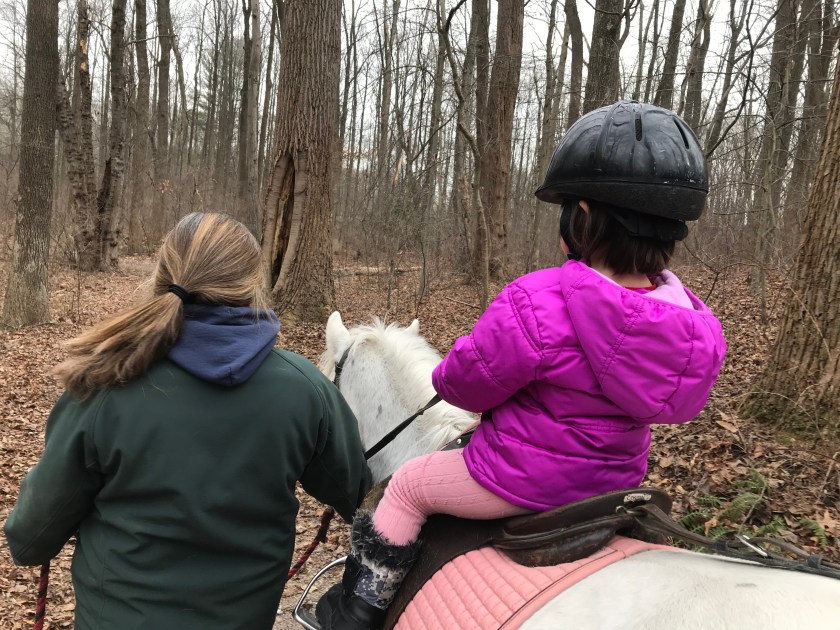
In any case, in addition to all her classes, dad usually gets her out to a park almost every afternoon. They play soccer, basketball, she rides her bike, they run through the forest trails. Unstructured play is unquestionably engaging for her, it’s just exhausting for us, so the classes help reduce some of the energy burden.
 35-Year Public Affairs & IT Professional