PJ Generation

Things that are changing: Rural to Urban Migration
Up to 40% could telework fulltime
More neighborly
More Walking, Fitness, Less Car, Gas & Pollution?
Death of the Office Building
Death of the Dry Cleaners and Business Suits
Increased Productivity, More Energy Focused on Work/Family, Less Driving
Possible Rise in Domestic Violence
Increased Learning Curve for Middle Class Kids
More Home Office, Home Improvement, IOT and More Screen Time
More eCommerce

We had a great opportunity to chat with Dror Shaked of Wix this week and asked him what the future of digital publishing holds. He said his latest public presentation was titled the pajama era. I started thinking what does that really mean across the social spectrum?

Urban to Rural Migration

For a dozen generations or more, the world’s population has been moving from rural to urban. The PJ Generation may reverse that. A new poll shows that nearly 40% of urbanites are considering fleeing the city as the coronavirus pandemic rages on. https://www.millersd.org/news/article/people-are-on-the-move-to-rural-251-415/ In the simple map above lies a stark spatial imbalance: half the people in the world cram into just 1 percent of the Earth’s surface. https://www.businessinsider.com/maps-show-worlds-insane-population-concentration-cities-2016-1

Historically, rural poor move to concentrated areas of population to find better employment. This includes the American farmer and the Chinese factory girls. Even in Egypt, where some 90+ percent of the population lives in that nation’s capital.

One of the many socio-economic elements that the rural to urban migration has had around the world is a shockingly high real estate cost in areas of concentration like Tokyo, Shanghai, London, San Francisco, Vancouver and DC. Obviously, the lure of cheap and spacious housing is attractive, but historically, rural areas with low cost housing had no industrial base, and thus, no substantive income opportunities.

As much as 40% of the workforce could telework fulltime

COVID-19 may yet do what years of advocacy have failed to: Make telework a benefit available to more than a relative handful of U.S. workers. Only 7% of civilian workers in the United States, or roughly 9.8 million of the nation’s approximately 140 million civilian workers, have access to a “flexible workplace” benefit, or telework, according to the 2019 National Compensation Survey (NCS) from the federal Bureau of Labor Statistics. And those workers who have access to it are largely managers, other white-collar professionals and the highly paid. (“Civilian workers” refers to private industry workers and state and local government workers combined.) https://www.pewresearch.org/fact-tank/2020/03/20/before-the-coronavirus-telework-was-an-optional-benefit-mostly-for-the-affluent-few/

However, according to a Bureau of Labor Statistics report, “The authors find that 37 percent of U.S. jobs can be performed entirely at home—a number that greatly exceeds any recent estimate of how many workers telecommute on an average day. According to the 2018 American Time Use Survey, ‘less than a quarter of all full-time workers work from home on an average day, and even those workers typically spend well less than half of their working hours at home.'” https://www.bls.gov/opub/mlr/2020/beyond-bls/the-number-of-people-who-can-telework-is-higher-than-was-estimated.htm

We May See More of Our Neighbors

I’m scratching my brain trying to remember which book I read in grad school talked about the elimination of the neighborhood as a result of women joining the work force. It might have been one of those Bowling Alone dystopian view books. I read Turkle’s Alone Together and wasn’t impressed. I was more impressed by Clay Shirky Here Comes Everybody, Cognitive Surplus and Don Tapscott’s Growing Up Digital because they focused on how technology was remaking our social connections based on passions and shared interests. This seemed more compelling to me than just hanging out with whoever happened to be born in a geographically co-located residence.

But the dystopian authors bemoaned the time lost in face to face interactions. This summer and fall, I’ve seen a LOT of my neighbors. We are all walking circles around the same blocks and hanging out with kids and dogs at the same neighborhood parks. I’m learning names of neighbors and kids and dogs. This is the kind of community that was apparently lost when women joined the work force because the book whose name I can’t recall talked about how housewives used to spend time together watching kids, sharing recipes, pantry items, etc.

So work from home, some 40-ish percent who may also be moving to rural areas for cheaper, more spacious housing could change the national landscape, including house prices and social fabric, allowing for more awareness of neighbor’s names and lives.

More Walking, Fitness, Less Car, Gas & Pollution?

For me and from what I hear, many of my coworkers, often walk around the neighborhood while on teleconference discussions. I do it mainly so I can resist the temptation to read that email that just popped up. I find I remain more deeply engaged in telephonic conversations or Google Meets if I’m not sitting at a computer. And like many of my peers, I’ve become an obedient slave to my smart watch that complains if I sit too long, warns me that I haven’t yet walked as many steps as I had yesterday at this time and I need 30 minutes of elevated heart rate, so I should get moving. Walking around the neighborhood while teleworking means I see and wave at more neighbors, their kids and dogs.

The PJ Generation almost certainly means a sharp reduction in gas use and car mileage, cleaner air and less pollution. It means less cafeteria food. It might even mean a reduction in our nation’s growing waist lines. My iWatch often complained at me while I was driving home from the Pentagon that I’d been stationary for too long, but I couldn’t very well get up and walk around while stuck in beltway traffic.

Death of the Office Building

And corporations and local, state and federal governments don’t need huge buildings. We don’t need all those wider highways.

Death of the Dry Cleaners and Business Suits

Obviously, less suits, which means the decline of the dry cleaner and Ann Taylor, the only real women’s professional suit maker. Yesterday, Bloomberg featured an article: Work from Home Crushes Dry Cleaners. If you want to know the state of the return to office, take a look at U.S. dry cleaners. 1 in 6 have closed or gone bankrupt as more people work in their sweatpants instead of freshly pressed dress slacks.

https://www.bloomberg.com/news/videos/2020-11-25/work-from-home-crushes-u-s-dry-cleaners-video

Of course, Zuckerberg and Bezos had already changed the nation’s social expectations of the dress code for the smartest guys (and gals) in the room. So, Americans go even more casual that we always were. I think this is great. Since I was a kid in a Catholic Church, I hated the pageantry and wealth displayed in our clothes.

So we down-cost our homes and dress down our clothes. Get out and see our neighbors. What else?

Increased Productivity, More Energy Focused on Work/Family, Less Driving

I think the workplace is going to gain a significant boost in productivity. Some reports have already talked about this. Since people aren’t spending an average of an hour each way in traffic, they have more energy to focus on work and home. There has been some discussion about the lack of work/life balance because work never ends, but I find that something like a split shift works well for our household. I hit the computer as soon as I wake up, sometimes as early at 5:30, when had I been driving to the Pentagon, I would have wasted time, showering, suiting up and driving. I work until my daughter takes a break from her teleschool and we do something together – eat lunch, LEGOs, tennis, read a book. Then back to work until she’s finished with school. Another break until she goes to tae kwon do or pony riding class or when she hits the bath. Then just before bed, I hit the computer again.

The previous work day was 8 hours at the office, 1 hour of lunchbreak that I couldn’t share with my family or neighbors and at least an hour each way driving, sometimes more. Even if work infringes a bit outside of the 8 hours required, I should still get more family time. After all, the total work day used to require 12 hours outside the house.

Possible Rise in Domestic Violence

One possibly negative impact of all the PJ Generation is domestic violence. https://www.webmd.com/lung/news/20200818/radiology-study-suggests-horrifying-rise-in-domestic-violence-during-pandemic#1

For kids in healthy families, more time with parents could help increase their learning curves. However, some kids, myself included, saw school as an escape from an uncomfortable home life. We’re already seeing an increase in the income gap as a result of COVID. The PJ Generation might see a greater separation between low and upper middle income which is exasperated by triumvirate of income, mental and physical wellness, and substance abuse. It’s a well know and understood element of life for people struggling with debilitating illnesses like depression and PTSD that “self medication” is often a logical extension of the mental misery. Domestic violence is often related to alcohol or other substance consumption. Additionally, mental and physical illnesses can interfere with a person’s income generating capabilities. As a result the 3 elements interact together in a terrible way to bring people and families down.

One possibility is that people who suffer might be able to find gainful online employment and/or education that they would never have been able to engage in due to their illness. But another possibility is this cohort falls further away from the social fabric.

Increased Learning Curve for Middle Class Kids

For my daughter, she loves having all 3 adults in the house with her – grandma, dad and mom. And it allows us to tag team with her insatiable need for attention that is exhausting for any one person. So, for the middle class, I think kids will benefit from the PJ generation.

More Home Office, Home Improvement, IOT and More Screen Time

More time at home means more IOT. More voice interactive speakers, TVs, lights and thermostats. More smart homes and more home offices. We’ve already seen a sharp uptick in home improvement during COVID. Americans spent over $6B more dollars this year than previously on home improvement at Home Depot alone. https://thehill.com/policy/finance/526305-home-depot-sales-surge-as-americans-spend-on-home-improvement-amid-covid-19

We’ll probably see an increase in screen time. “Zoom meetings. Distance learning. Online shopping. The coronavirus pandemic has caused us to spend more hours than ever facing a screen. While that allows us to carry on many of our daily activities safely, it may also bring with it some concerns.” https://www.rivertowns.net/news/education/6749222-Screen-time-increases-with-pandemic-adjustments

More eCommerce

During the first two quarters of 2020, stores like Ulta, Macy’s and Kohl’s experienced dramatic spikes in their ecommerce revenue, rising roughly 200%, 53% and 60% respectively. The International Council of Shopping Centers predicts a 25% rise in ecommerce sales in 2020. https://insights.digitalmediasolutions.com/news/ecommerce-transactions-rising

Our Daughter’s Chinese Class Starts Tomorrow

Here we go again.

《小小智慧树》 主题歌曲 “三条鱼”
一条鱼水里游
孤孤单单水里游
两条鱼水里游
摇摇尾巴碰碰头

两条鱼水里游
摇摇尾巴碰碰头
三条鱼水里游
大家一起做朋友
大家一起做朋友

“Xiǎo xiǎo zhìhuì shù” zhǔtí gēqǔ"sāntiáo yú"
yītiáo yúshuǐ lǐ yóu
gū gūdān dān shuǐ lǐ yóu
liǎng tiáo yúshuǐ lǐ yóu
yáo yáo wěibā pèng pèngtóu

liǎng tiáo yúshuǐ lǐ yóu
yáo yáo wěibā pèng pèngtóu
sāntiáo yúshuǐ lǐ yóu
dàjiā yì qǐ zuò péngyǒu

Little Tree of Wisdom" theme song "Three Fishes" 
A fish swims in the water 
Lonely swim in the water 
Two fish swim in the water 
Wagging his tail and meet his head 
Two fish swim in the water 
Wagging his tail and meet his head 
Three fish swim in the water 
Make friends together 
Make friends together

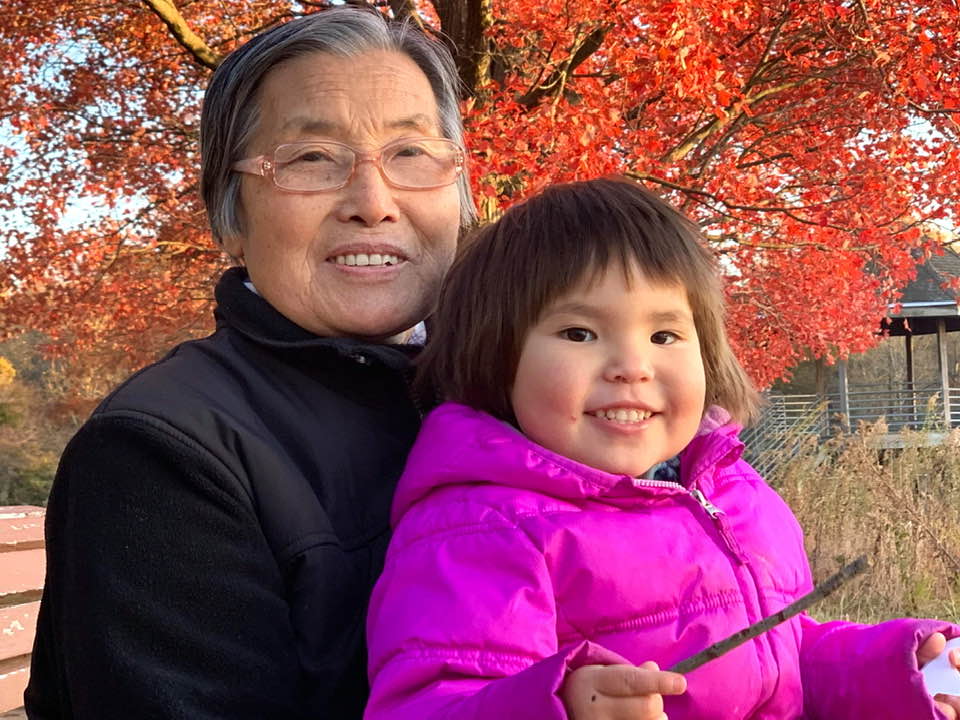
San Antonio born “V” and her rural Chinese grandma.

Ann has discovered how to make Alexa read her a story – Her Choices

The Dance of the Caterpillars (Chinese Edition) audiobook cover art

3m
Listen now
You downloaded this title

The Dance of the Caterpillars audiobook cover art

3m
Listen now
You downloaded this title

Clifford the Big Red Dog (Portuguese Edition) audiobook cover art

3m
Listen now
You downloaded this title

The Very Hungry Caterpillar audiobook cover art

Finished
Listen now
You downloaded this title

Alphabet Alliteration audiobook cover art

4m
Listen now
You downloaded this title

The Dance of the Caterpillars (Bilingual German-English) audiobook cover art

4m
Listen now
You downloaded this title

The Very Quiet Cricket audiobook cover art

Finished
Listen now
You downloaded this title

Your First Listen audiobook cover art

4m
Listen now

Is Your Mama a Llama? (Portuguese Edition) audiobook cover art

5m
Listen now
You downloaded this title

There Was an Old Lady Who Swallowed a Fly audiobook cover art

Finished
Listen now

Andy and the Lion audiobook cover art

5m
Listen now

Alphabet Alliteration audiobook cover art

6m
Listen now
You downloaded this title

Where Hummingbirds Come From audiobook cover art

6m
Listen now
You downloaded this title

Happy Birthday Moon audiobook cover art

Finished
Listen now
You downloaded this title

How the Fox Got His Color audiobook cover art

1m left
Listen now
You downloaded this title

The Tale of Two Bad Mice audiobook cover art

7m
Listen now

The Tale of Peter Rabbit audiobook cover art

8m
Listen now
You downloaded this title

Interview with Nancy Yi Fan audiobook cover art

8m
Listen now

Rapunzel audiobook cover art

8m left
Listen now
You downloaded this title

Der Schneemann audiobook cover art

10m
Listen now
You downloaded this title

Where Hummingbirds Come From (Bilingual German-English) audiobook cover art

10m
Listen now
You downloaded this title

How the Fox Got His Color (Bilingual German-English) audiobook cover art

10m
Listen now
You downloaded

How the Fox Got His Color Bilingual Chinese English (Chinese Edition) audiobook cover art

1m left
Listen now
You downloaded this title

Where Hummingbirds Come From audiobook cover art

11m
Listen now

The Emperor's New Clothes audiobook cover art

El Canto de las Palomas  audiobook cover art

13m
Listen now
You downloaded this title

Gift of the Magi audiobook cover art

  • Gift of the Magi
  • By: O. Henry
  • Narrated by: Wesley Mann
  • interactive rating stars


    Write a review

  • Jim and Della Dillingham Young are a couple very much in love. But they can barely afford their one-room apartment….
  •   Mark as Finished

14m
Listen now
You downloaded this title

Das Geschenk der zwei Weisen audiobook cover art

15m
Listen now
You downloaded this title

The Tinderbox audiobook cover art

15m
Listen now
You downloaded this title

The Fisherman and His Wife audiobook cover art

17m
Listen now
You downloaded this title

Tom Thumb audiobook cover art

Cinderela audiobook cover art

18m
Listen now
You downloaded this title

Minty audiobook cover art

Hansel y Gretel audiobook cover art

  • Hansel y Gretel
  • By: Larry Carney
  • Narrated by: Jorge Lan
  • interactive rating stars


    Write a review

  • Hansel y Gretel son dos ni?os hambrientos perdidos en el bosque que se encuentran con una maravillosa casa hecha con pan de jengibre….
  •   Mark as Finished

Les misérables audiobook cover art

Le Chat noir audiobook cover art

  • Le Chat noir
  • By: Edgar Allan Poe
  • Narrated by: Alain Couchot
  • interactive rating stars


    Write a review

  • Le Chat noir relate l’implacable chute d’un homme. C’est l’une des nouvelles qui ont assuré la célébrité d’Edgar Poe, et ont décidé Charles Baudelaire…
  •   Mark as Finished

31m
Listen now
You downloaded this title

The Five Crayons audiobook cover art

Rikki Tikki Tavi audiobook cover art

Rikki Tikki Tavi audiobook cover art

Rip Van Winkle audiobook cover art

39m
Listen now

Rikki-Tikki-Tavi audiobook cover art

34m left
Listen now
You downloaded this title

Hänsel und Gretel audiobook cover art

A Visit to Grandma audiobook cover art

The Missing Cat audiobook cover art

The Adventure of the Blue Carbuncle audiobook cover art

Rikki Tikki Tavi audiobook cover art

Cinderella [Russian Edition] audiobook cover art

Holiday Classics by O. Henry audiobook cover art

50m
Listen now
You downloaded this title

Beauty and the Beast audiobook cover art

The Gnomes of Knot-Hole Manor audiobook cover art

Mark Twain erklärt die deutsche Sprache audiobook cover art

1h 7m
Listen now
You downloaded this title

5 Lendas Brasileiras audiobook cover art

El Fantasma de Canterville [The Canterville Ghost] audiobook cover art

The Legend of Sleepy Hollow audiobook cover art

Where Do We Go From Here audiobook cover art

Oliver Twist audiobook cover art

Alice no País das Maravilhas [Alice in Wonderland] audiobook cover art

  •  Mark as Finished

Homeschooling Ann

Today, while Ann and I walked around the neighborhood and she sat in the beachwagon, watching her iPad, I asked her questions from time to time. Que color es este carro? Yo no se, she responded. Negro? Yes! Negro. Que color es este casa? Que color es este flor?
She did single digit math with Grandma and the discussed it in Chinese.


I played piano when she was in the bath and predictably as soon as she got out, she threw me off the piano and insisted that she play the piano. Smirk. She never plays the piano if I ask her. Only if I start playing myself and she can bully me off the keyboard.
Dad and grandma took her to a nearby open park today. No playground. Just wide open spaces for exercise and running and jumping.

Haven’t been doing much Tae Kwon Do. We have been doing some writing on the computer keyboard as she doesn’t see much point in writing words on paper.

SillyBillieAnnWenHu

Building Confidence in a Toddler

Of course, we want our daughter to be successful. Every parent does. But what exactly does that mean? And how do we get there? Let’s say, rather tongue in cheek, that we wanted Ann Hu to become President of the United States. Actually, I think fame is a painful existence, and that job ages people prematurely, but if she really wanted that, I’d support her. So, how does one make a 4-year-old into a future president? Well, statistically speaking, the 3 institutions that have graduated the highest number of people who went on to that public office are the Naval Academy, Harvard University and West Point.
Now we’re talking! Huge numbers of parents around the world dream of their child being accepted to and graduating from Harvard. Particularly in Asia, where brand fetishism is globally disproportionate, Harvard is sometimes the quintessential definition of academic success. And in Asian, in pursuit of this goal, a perfect SAT is considered a milestone to achieve that goal. However, lots of Asians, both US born and born abroad have been bringing lawsuits against American universities because universities don’t make decisions based purely on grades, transcripts and SATs. Most have some vague language on their websites about a whole person concept or well rounded, etc.
Obviously, the service academies, including West Point, the Naval Academy and the Air Force Academy also look at SAT/ACT scores and transcripts, but they also require a physical fitness test and like the SAT goal of Asian Harvard wannabes, I’ll assume that a perfect score on the fitness exam is probably the goal to shoot for.
Most universities, especially Ivy League and the service academies talk a lot about demonstrated leadership skills. Back to a new version of how to build a 4-year-old into a President, how do you help a 4-year-old develop leadership? I learned from a colleague that the Air Force Academy decision makers value Civil Air Patrol experience. I’ve read a lot of organizations both government and corporate like Eagle Scouts. Scouts starts at age 5 and civil air patrol begins at age 12. So, now, we’re getting a little closer to 4 years old.
What makes leadership? Obviously, many would say the ability to influence people, but Marines would likely say, someone who by their actions can inspire people. I spent 13 years in the Marine Corps. Marines have a set of leadership traits: Bearing (outward emotional control, which is a part of emotional intelligence), Courage, Dependability, Decisiveness, Enthusiasm, Endurance, Integrity, Initiative, Justice, Judgment, etc. A detailed discussion of the list is here: http://www.txdevildog.com/backbone-usmc-leadership-traits-jjdidtiebuckle/
Let’s focus on Courage, which is a heady word at any age. The Marine Corps informed me around the time I turned 18 that I should try to develop courage, which is a mildly terrifying assignment, seemingly mission impossible. However, in the same boot camp discussion, they defined courage as the ability to act when you’re scared. Marine Corps boot camp also gave me a series of physical activities to engage with fear, including meeting my raging drill instructors, rappelling from a 50-foot tower on the wall and from the “hell hole”, throwing a live hand grenade, qualifying with a rifle and the most horrifying for me, swim qualification. I think rappelling is one of the best activities in Marine Corps boot camp. When a late age teen stands on the 50-foot edge of the tower, most are afraid. Once they successfully get to the bottom and all will, they suddenly lose their fear and gain confidence.
Let’s go back to toddlerhood and talk about fear and confidence which take on a totally different scale at this age. But before we get there, let’s talk about autonomy. I have 150 sky dives and a USPA C license in skydiving. I trained with and participated in a couple of canopy relative work competitions with an older team in California in the 1990s. Our team had one rule. The person receiving the canopy dock, which is the person who could careen to earth in a silken parachute funeral shroud, is the only person allowed to opine on the quality of the dock. If the person receiving the dock feels nervous, scared or uncomfortable, they fold up their legs and the other parachute flies right under, never connecting to the stack. This is to say that fear is personal and the only person with a right to decide what is fearful is the person experiencing fear. For some crazy reason, we lose our sense of respect when dealing with children.
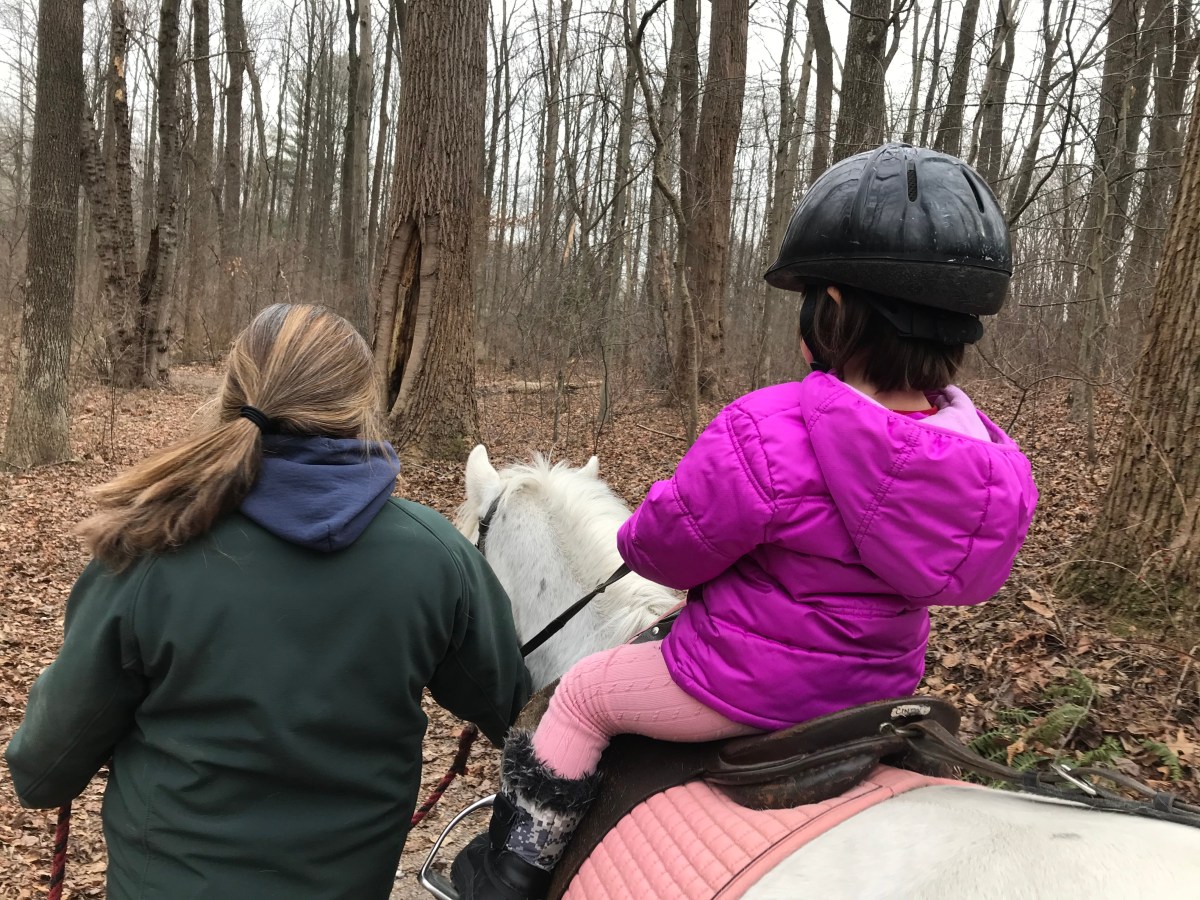
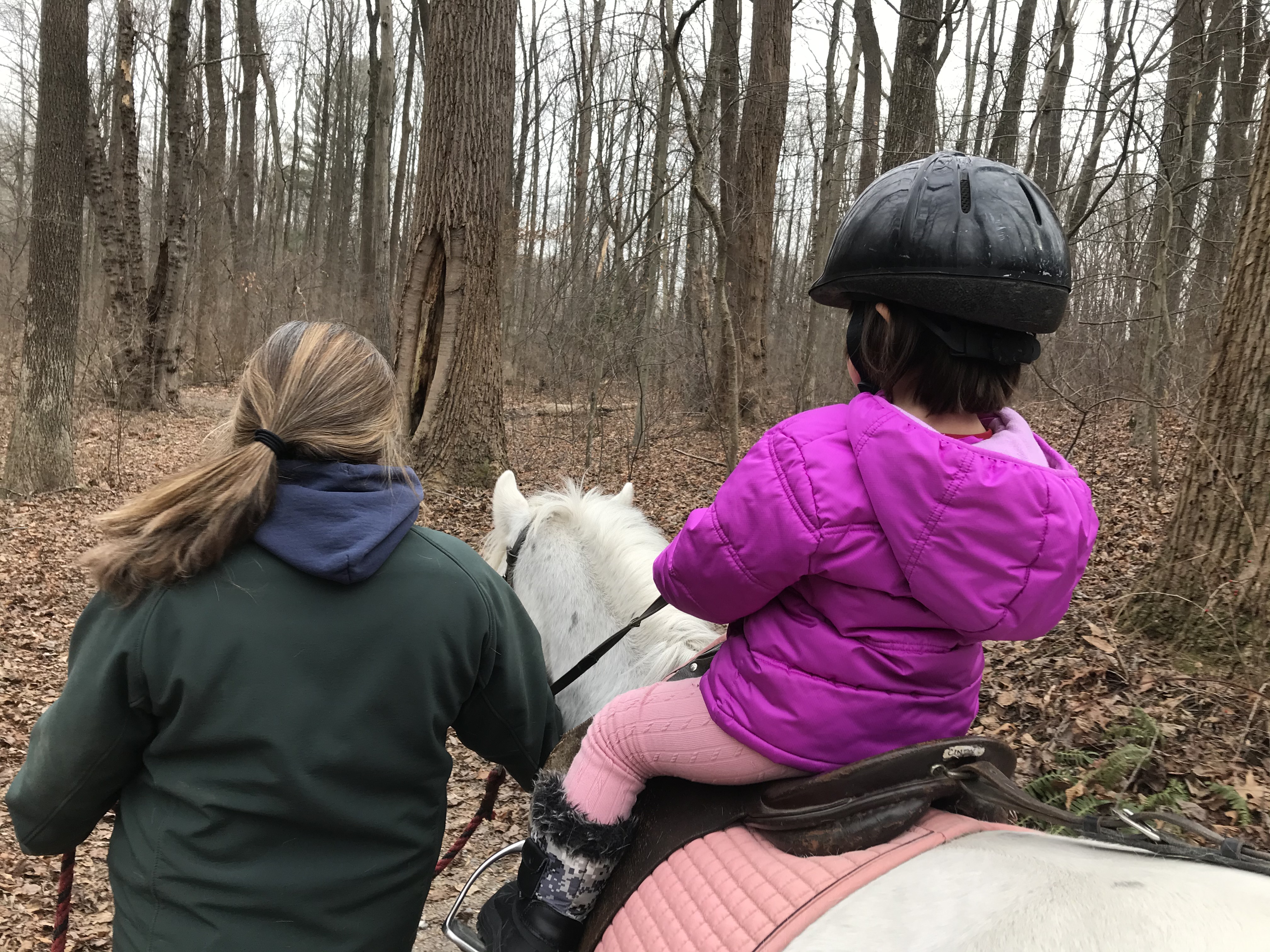
Keeping autonomy in mind, I have tried to help my daughter safely engage with the emotion of fear. Lots of things are scary at first, like swimming classes, ice skating classes, pony riding classes. We have practiced deep breathing to take the edge of fear. That said, when she says she’s scared, I ask the instructors to let her sit out. Patience is a critical element of a child’s engagement with fear. Perhaps one of the most comical experiences was a horse ride in Arizona. She wanted on the horse, but when I lifted her up to the western saddle of a full-sized horse and she was looking down at me, she started crying. I asked her if she wanted off the horse. This is where it gets funny. She said no. OK. What did she want me to do? Hold her hand. OK, I held her hand. A good 10 minutes while she cried and refused several more offers to remove her from the horse. We were in the sun in Arizona and she complained it was too hot. I felt hot too. I suggested we move the horse two steps ahead to the shade. She agreed. However, when I started to walk to the front of the horse, to use the lead rope to move it forward, Ann complained. She wanted to hold my hand. I explained that I couldn’t move the horse out of the sun while holding her hand. We sat there a few minutes more. Then she agreed I could move the horse. We sat under the tree another 10 minutes. The crying subsided. I held her hand. Ann said she wanted to drink water. I did too. It was really hot. I explained that we had to go back to the barn to get our water bottle, so I’d need to walk the horse about 5 steps. She agreed, but complained as soon as the horse started to move. I held her hand. We waited. She complained again. I explained I had to let go of her hand to move the horse. She agreed. I moved the horse back to the barn and she whimpered as the horse walked. We got the water. We stood for another 10 minutes. Around the final 15 minutes of the one hour, she asked me to walk. She complained it was too fast. I stopped and started the horse because there was never a speed slow enough for her comfort.
Ann has had dozens of experiences like the horse where I allow her to be afraid, but provide whatever support she asks for as she negotiates her own fears. Just in the last few weeks, I’ve noticed an impressive improvement in confidence. I think confidence is a key element of leadership.
While we engage her fears, we also talk a lot about cars and strangers. I don’t want Ann to be fearless. Fear provides a critically important element of survival in that it often prevents us from doing dangerous things. I want her to critically analyze risk and danger and determine if she should or should not do something not purely based on whether it is frightening but on whether it is dangerous.

TaeKwonDoPrincessElsa

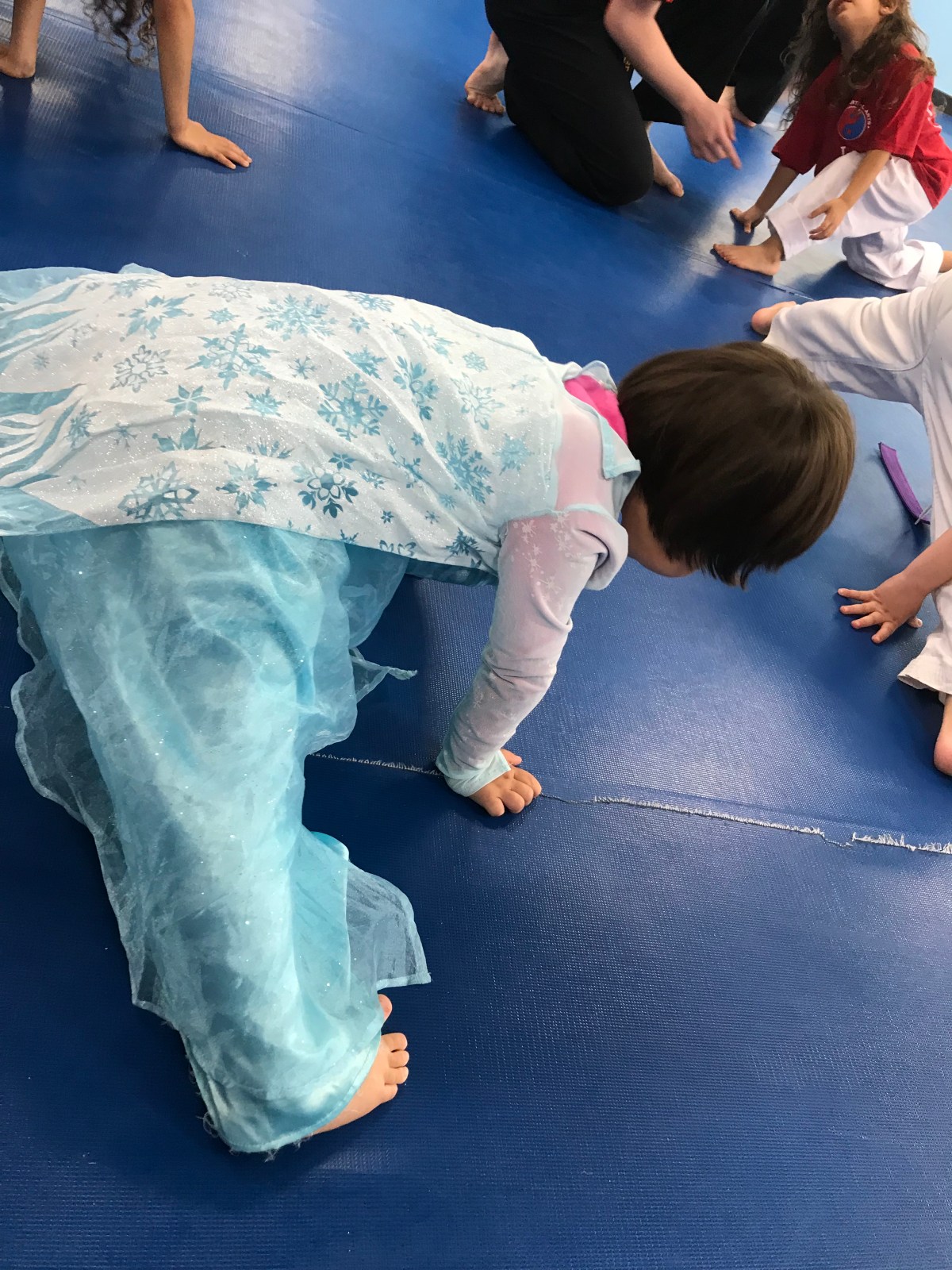
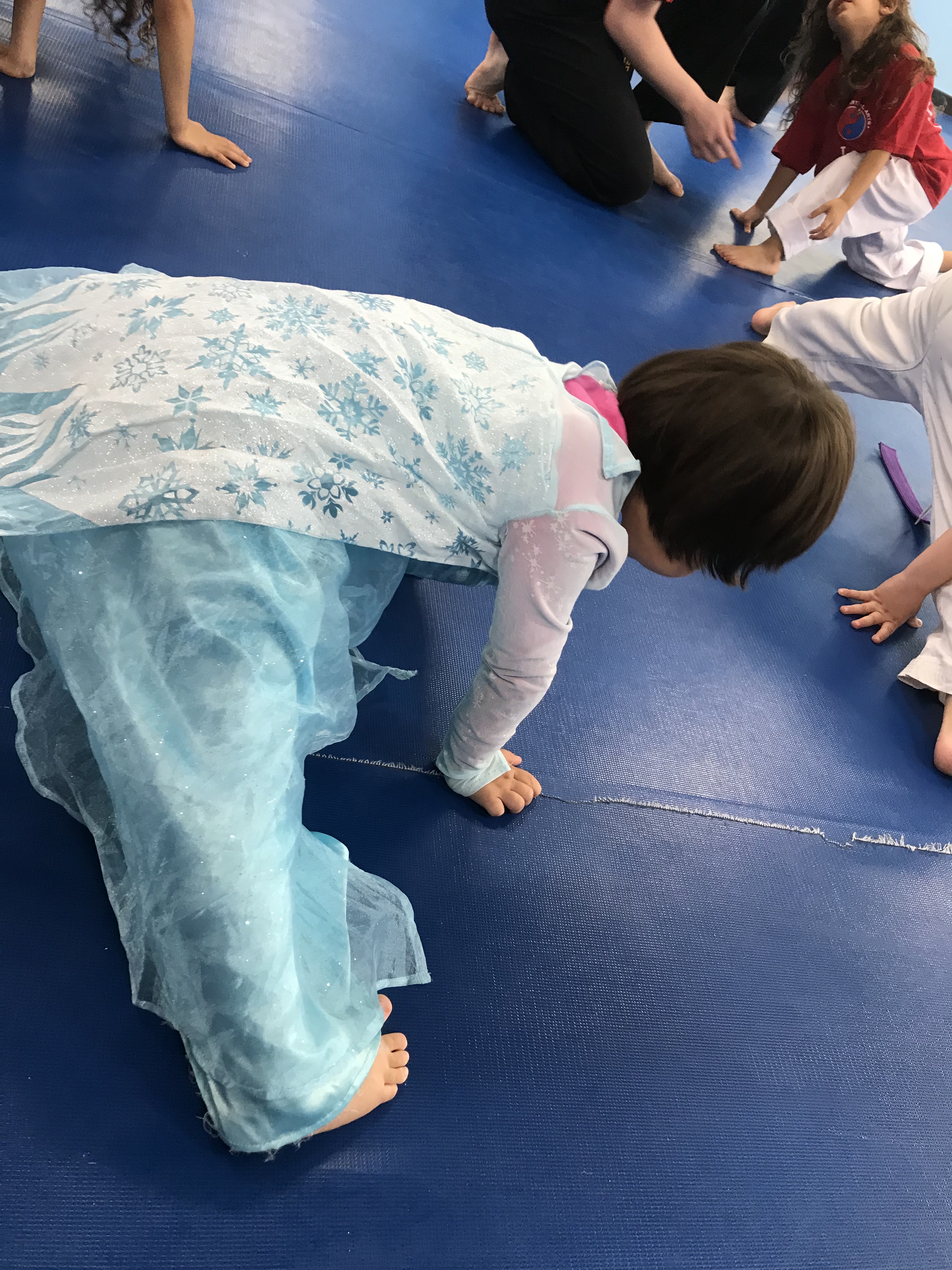
Ann “Vee” Hu in tae kwon do class wearing her Elsa costume from the Disney movie Frozen.

What are we doing with our daughter?

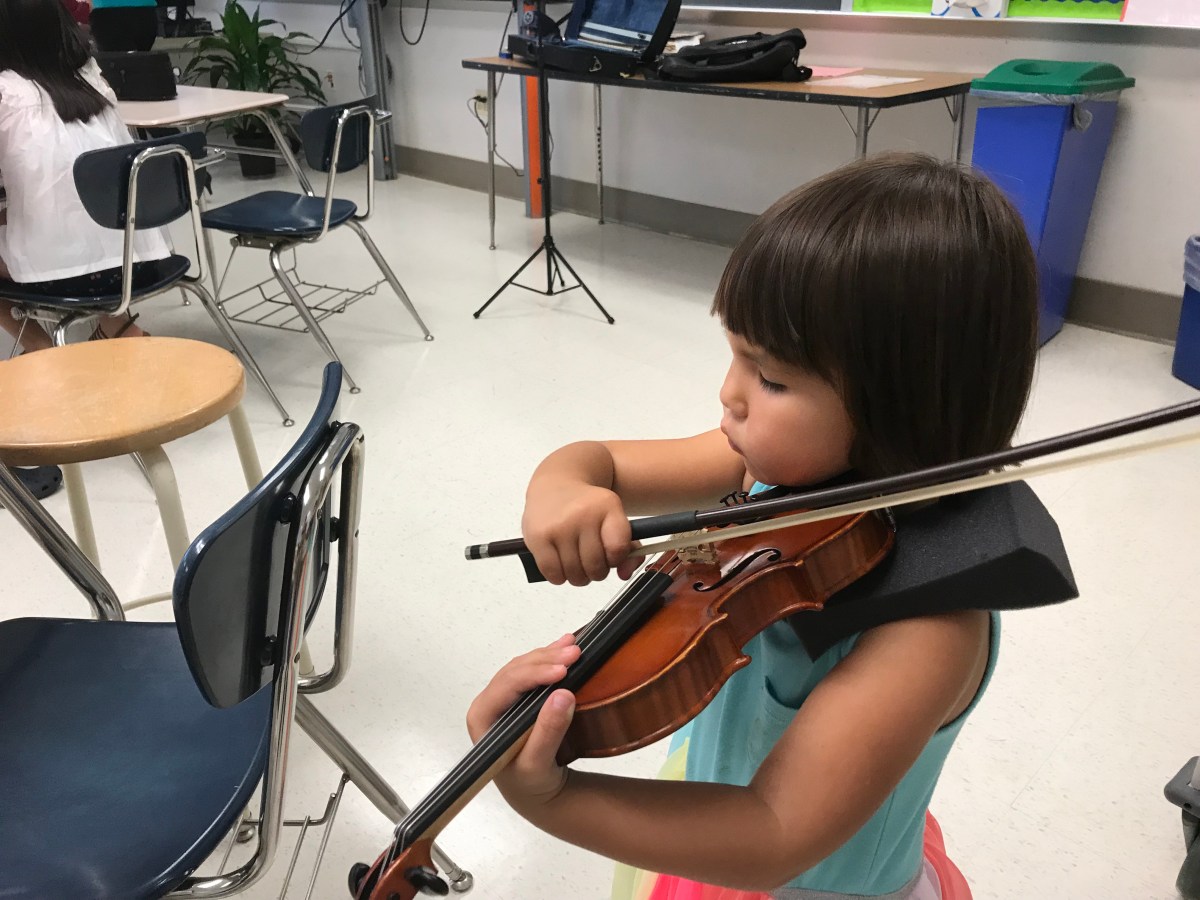
Of course, the truth is, we have no idea what we’re doing with our daughter. What we’ve done up to this point is swimming classes beginning at 10 months old, soccer classes beginning at 18 months old, as well as piano and Chinese language classes beginning at age 2. At age 3, she did a 6-week class in archery, several sessions of basketball, two 6-week sessions of ice skating, two 4-week sessions of pre-ballet, one 4-week session of creative movement dance, 6 months of gymnastics and 6 months of tae kwon do. She continued Chinese classes during age 3. We had several months of violin classes, although it was mostly sawing on the violin with the bow.
AnnMyPonyClass
Just on the cusp of age 4, she has started Spanish classes. Right now, I think her Saturdays are perfect. Toddlerhood is a kinetic experience, so academics are difficult to focus on. Saturday morning starts out with soccer class, then Spanish class, which includes singing and dancing and energy, then a gymnastic-like creative movement dance class, finally a relatively low movement, but remarkably engaging Chinese class and at least the first week, followed by an hour in the local park playing soccer with dad. This mix of movement and theory seems to fit her now.

Why?
Some decisions are rudimentary. Drowning is a top cause of death for children ages 5 to 8, so we want our daughter to be able to save herself if she falls into water. Swimming is really a survival skill.
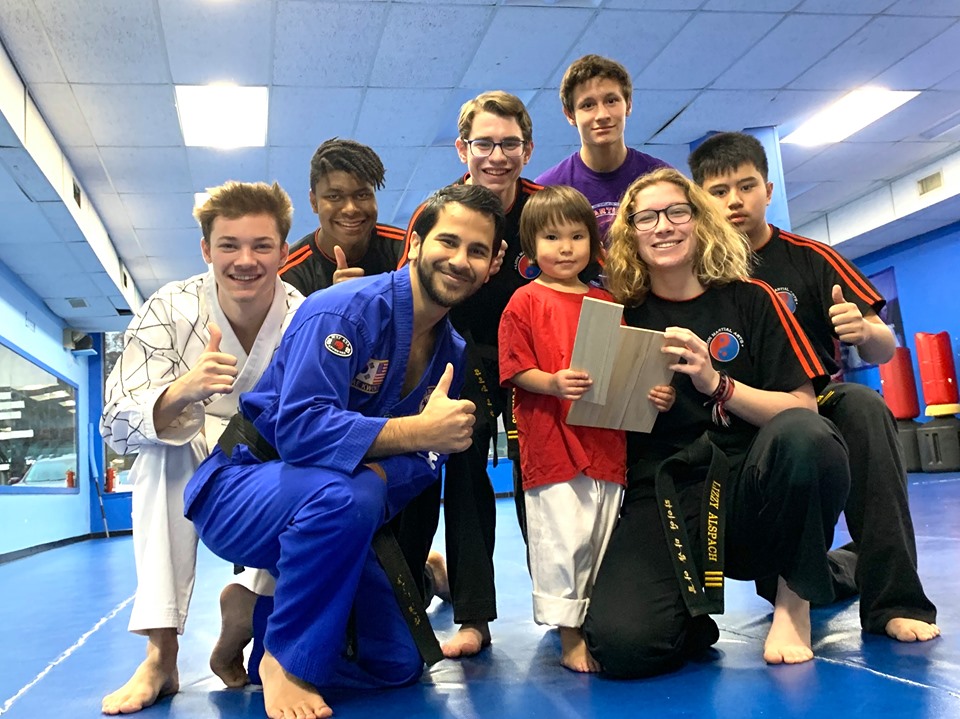
The Tae Kwon Do was added per her preschool principal’s recommendation because Ann was remarkably abusive to adults and peers around age 2. The principal rightly assessed that martial arts would reduce her violence toward people nearby her. Now, even when she wants to kick and punch things at home, she asks me to hold a pillow the way they hold padded targets in her school. Why does she like to kick and punch things? I have no idea.
Other activities like basketball, dance, soccer, gymnastics are just to keep her moving because she has a surprising amount of energy, and we feel exhausted.

Overscheduled?
Experts say, which I’m not actually sure, that unstructured play is critical. I’m not entirely certain what that means, but what I have observed is that when she had a 6-session series of ice skating, the Wells rink gave us a plastic punch card with 6 free sessions at their various open skating days. I managed to get Ann to the rink 9 times during the 6 weeks. In addition to her classes. She seems to make better skill gains on non-class days. This isn’t to say that classes are bad or a waste of time and money. When she has a class, like swimming once per week, she often replicates some of the movements from her class during her free swim time. I usually managed to get her to the pool twice per week in addition to her class.
GreenBelt TestI have discussed this principle with her piano instructor to no avail. Ann is a completely different person on her home keyboard in her playroom than in the exalted hall of her music school. At home she literally stomps on the keyboard. At school when we arrived early, she carefully explored the keyboard, often making short compositions herself of 3 keys. One sounded a bit like the classic iconic notes from the theme song for the movie Jaws. Once she finishes exploring the keyboard, she often tried to play whichever music I had put in front of her. She never tried to play music from a book at home. I wish they had an open piano time like they have open swim, open skate and open gym at the gymnastics center. But the best I managed was before class. It’s a pity because it’s too dense, too concentrated.
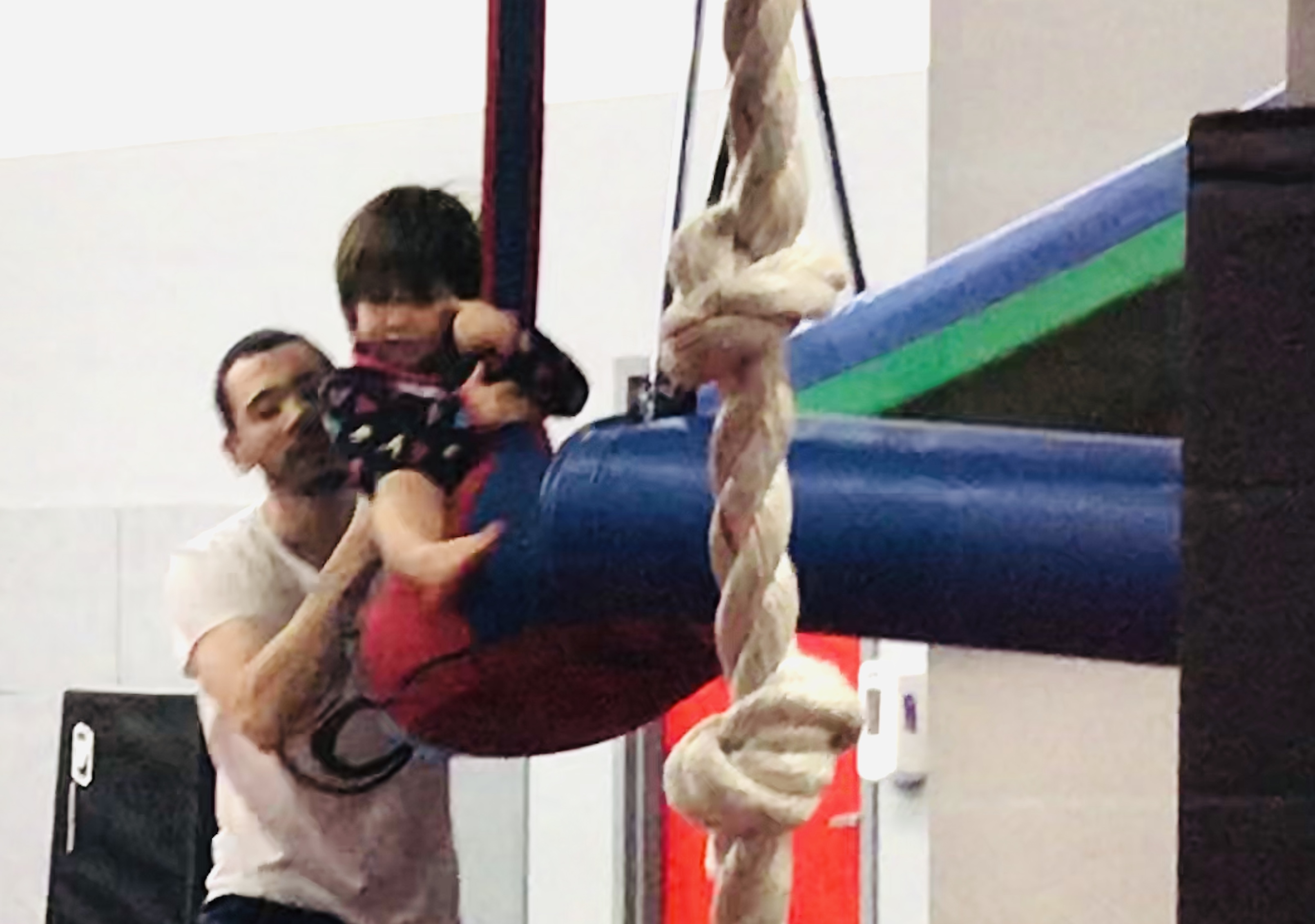
In any case, in addition to all her classes, dad usually gets her out to a park almost every afternoon. They play soccer, basketball, she rides her bike, they run through the forest trails. Unstructured play is unquestionably engaging for her, it’s just exhausting for us, so the classes help reduce some of the energy burden.
AnnWenHuNinjaTraining

She’s really, really, really black

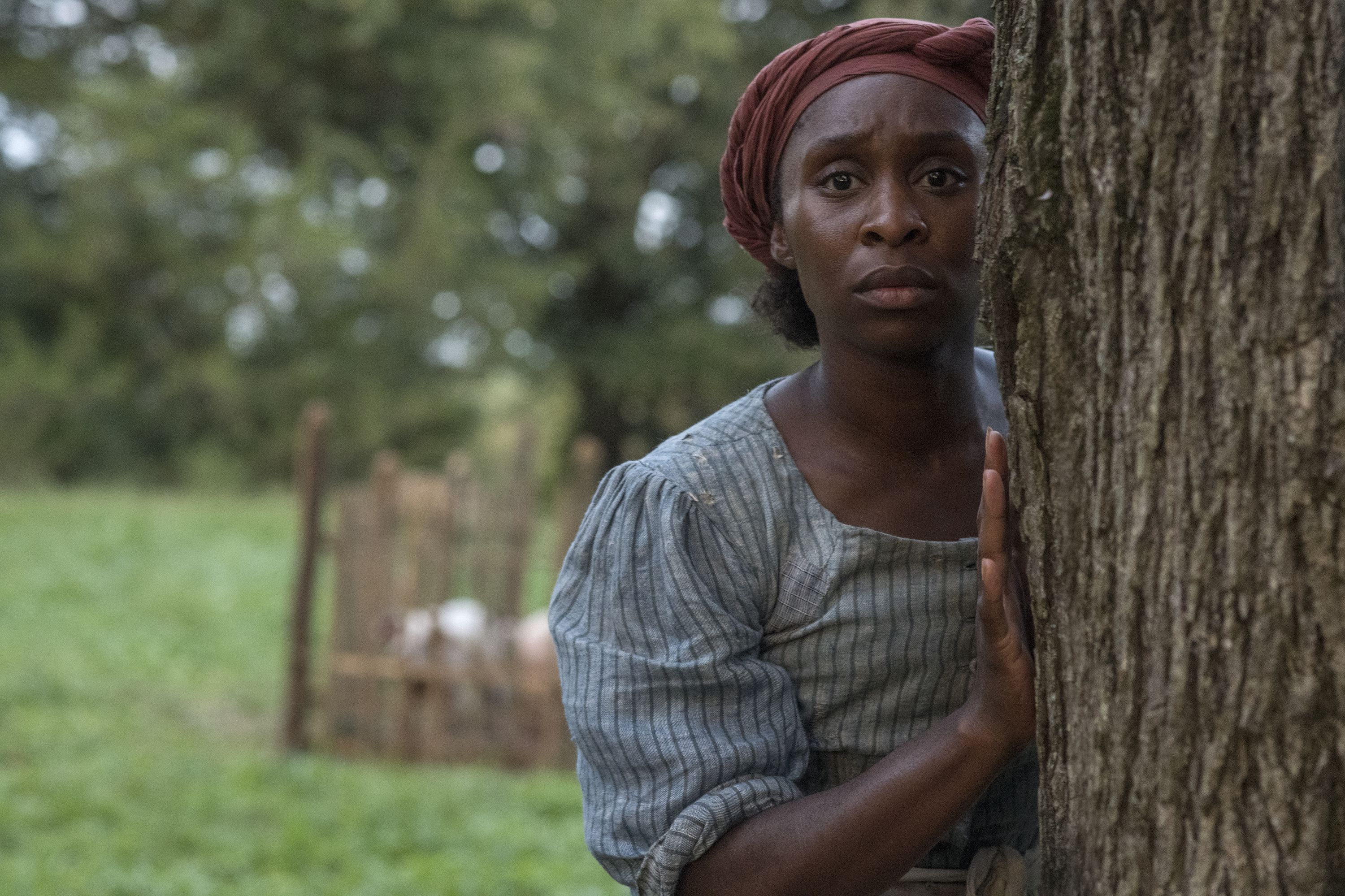
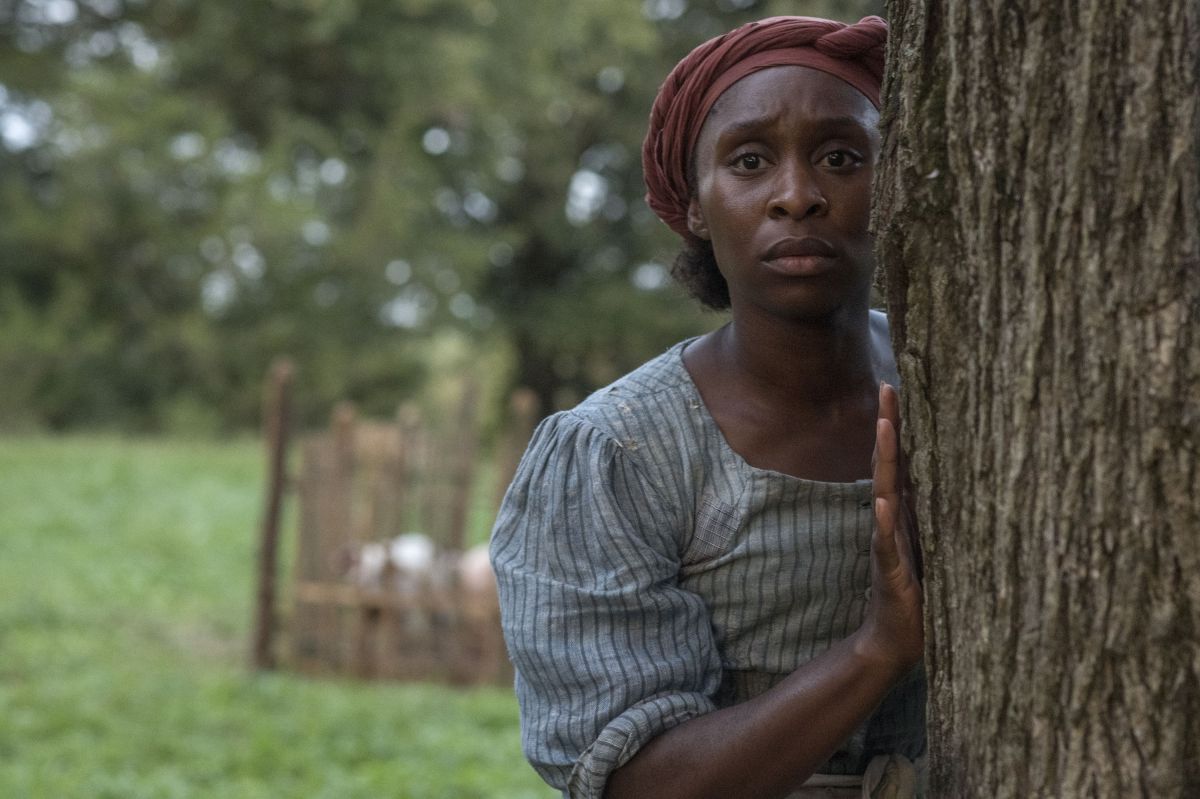
My 3-year-old daughter will turn 4 in a week. She’s Amerasian. I want to raise a racially aware child because she will likely present as white, and I want her to be aware that a lot of people, including her father who has unusually dark skin by Chinese standards, face a lot of rude behavior from people just because of skin color. As a part of this educational process, we watched the movie Harriet about a month ago. https://www.youtube.com/watch?v=GqoEs4cG6Uw
From the movie about the life of Harriet Tubman, Ann learned that people with dark brown skin can be referred to as black. The week after watching the movie, she said to me as we started one of her many classes, referring to a colleague’s mom, “She’s black like Harriet.” Yes, she is, I replied. I wanted to discuss more, but all parents were wrangling toddlers out of jackets and into chairs and the teacher was there and the class was starting before I could get more conversation either with my daughter or with the mom she had just compared with the stunning beautiful actress who portrayed Harriet in the movie.
Today, we were leaving her pre school at noon on our way to pony riding class. I encouraged her to wish her favorite teacher, Ms. Jones to have a wonderful evening, and she did with unusual enthusiasm. Ms. Jones responded equally affectionately, rubbing both of her checks and wishing Ann a wonderful evening. As we walked forward, Ann said to me, “She’s really, really, really black.” Yes, Ms. Jones is likely African American, although as with most American citizens, she’s likely to have more than one racial/ethnic category. However, since the first comment, I wanted to get into this conversation more deeply and since we weren’t pressed for time, I stopped right there and said, “I’m also white. And you are Asian.” Ann did a double-take. “What is Asian?” Actually, you are not Asian, I explained. Your dad is Asian. Your grandma is Asian. But you … Ann cut me off. “What is Asian?” she asked. Asian is people like your father from places in Asia like China. “I’m Asian?” She asked. Well, you’re half Asian. You got Asian genes from your dad and white genes from your mom. Then she said I want ice cream.
I’m posting this because I have no idea if I’m doing this right or wrong. Kids don’t come with manuals, and I have no idea to how to approach conversations like this.
We had another encounter completely independent but related to the idea of accepting the people in your neighborhood. We were leaving ice skating class maybe 2 or 3 months ago and a group of women and girls dressed in burkas came into the ice skating rink. Ann stopped and stared at them for a long time, and I was unable to continue the clothing changeover and backpack organization that goes with leaving the rink because she wouldn’t move. She just stared at the group from a distance of a meter or two.
I walked her over to the group and asked Ann to give a salutation in Arabic from the Qu’ran. I forgot which one I selected. But she was unable to pronounce it, so I said that’s okay, you can say Hello.
“You won’t understand this right now, but your mom is Christian. Your grandma is Buddhist. You dad generally talks like a Taoist and your new friends are Muslim. These are people in our neighborhood. Let’s say hello to them.”
By this time, the girls who had been getting shoes off and skates on stopped and looked at us. We greeted them. They said hello. The oldest woman in the group, possibly grandma for one of the girls thanked me. After the hello, Ann didn’t stare any more and women in burka seemed to have achieved a non-alien status.

I’m happy for any inputs on these topics, including criticism, because I’m not sure if I’m doing it right, and I’d like to get it right. All ideas welcome.
Harriet

not be judged by the color of their skin but by the content of their character

My husband and I are struggling with a parenting question. Bin is from China where people are judged based on their party affiliation or connection to political power, which is really one in the same. His upbringing taught him that people are their socioeconomic class, the names of the various educational institutions where they studied. In Bin’s words, “In China, people judge by your parent’s social status and money.”

He brings his references to our painful struggle to decide which school district to move to so our daughter will have a good education. I told him I’d like to move to the school district where my colleague’s son just graduated high school and was selected to all 3 of the service academies in the United States – West Point, the Naval Academy and the Air Force Academy. The problem is, my colleague’s son was most probably the only student from that school who was so honored. So it was not the name of the institution on his application that got him accepted. I assume most universities are looking for the content of the character of the students they select.

Of course, content of character is subjective and difficult to judge. But what it is almost certainly not is a list of attributes that actually have nothing to do with the individual knowledge, skills and abilities of that one student. A list like family class, ethnicity, gender, political connection and other elements of the “accident of birth.”

I’m going to go back to my case example, my colleague’s son. But let’s start with my colleague, Norris Agnew, born 40+ years ago in rural Mississippi as an African-American male. And since that time, he served in Okinawa, Japan (2 yrs), South Korea (1 yr); Belgium (2 yrs); mainland Japan (6 yrs); Germany (3 yrs). He spent more time was overseas than stateside. He has traveled the world over in 20+ years with the U.S. Air Force. He has become, in an overused and trite term, cosmopolitan. He’s still American, but he’s also international and transnational. He’s an award winning broadcaster and a former instructor at the DOD school of journalism with a master’s degree from John Hopkins. He’s married to a lovely Korean woman.

This sets the background for his son, who was raised bilingual Korean-English. Undoubtedly at least one of the attributes the military service academies saw in him was his native fluency in the language of one of our greatest adversaries, North Korea, and one of our strongest allies, South Korea. I assume his SAT scores and grades were extraordinary, but so are all the grades and scores of students applying to the Ivy League, and yes, I consider the service academies on par with the Ivy League. He was also an extraordinary athlete and the captain of his school’s football team several years running. He also served in the Civil Air Patrol. Obviously military academies as well as all universities are looking for applicants who display leadership capabilities and potential. So his leadership in sports and in the Civil Air Patrol would have made him an attractive candidate. Additionally, physical fitness is a critical element of the military lifestyle, so his athletic skill undoubtedly contributed to his selection.

All this is to say: What resulted in his selection was not his political connections, tribal affiliation which equates in the vernacular of the United States, ethnicity, or his socioeconomic status. In fact, all of those factors are what the founding fathers of the United States would have dubbed, “the accident of birth.”

This makes me think of the MLK speech, I have a Dream, because Martin Luther King, Jr. tapped into something that is fundamentally American. He tapped into the idea that each of us is more than the sum of our social ties. We all have unique, intrinsic elements of our personalities that contributes to the content of our character.

So, I understand that my job as a parent is to help my daughter embrace and develop the specific knowledge, skills and abilities which come to her most naturally and which build for her an independent sense of herself. Her schools and instructors are important in so much as they support that goal, but the specific name on her transcripts isn’t what makes her special. It’s how she combines her experiences and understanding into a human being that transcends them.


Learning Languages Liberates our Minds

Give yourself, give a loved one, especially a child the ultimate cosmopolitan gift: Multilingualism.

People who speak two or more languages have significantly better overall cognitive abilities than those who speak one. Learning another language is one of the most effective and practical ways to increase intelligence and keep your mind sharp.  Language study buffers brain against aging. Start today with Creations by Crouch bilingual picture books.

Adele Marie Crouch created her bilingual picture books in the hope to bring the world together and keep unique cultures alive. The German-American grandmother’s children married Italian-American, Mexican-Apache, Nez Perce and Chinese. “Now my grandchildren look like the United Nations,” says the 68-year-old former realtor.

fox_cover_navajoIn retirement, Crouch starting writing picture books. She is deeply committed to providing language training assets in the form of bilingual books, especially for languages which are less available, such as Swahili and Marshallese. She is also deeply concerned with disappearing languages like tribal languages for the Native Americans of North, Central and South America as well as the Pacific islands and African tribal languages.

“One of the problems I’ve had is finding native speakers to provide translations,” she explained. Some languages like tribal languages are difficult to find professional translators for and others may have multiple dialects. This means that people from other dialects complain that the books are not correct. Her books have now been translated into more than 40 different languages.

“I wish I could have learned my family’s language,” says German-American author.

Like so many parents in so many ways, Crouch wanted to give future generations of her family more opportunities than she had herself.

Although Crouch is a German-American, she never learned to speak her family’s language due in part to the reputation that the German nation had earned at the end of World War II. Many German immigrants tried to hide their ancestry and they did this by making sure their children spoke only English. “My grandma didn’t want any of us to speak German,” she explained.

adelemariecrouch
Adele Marie Crouch, author of bilingual picture books in 40+ languages. Photo by Douglas Paul Crouch.


Today, many Asian and Latin American families who have been United States citizens for many generations still speak their family’s language at home. “I wish I could have learned a second language,” Crouch laments. “I wish I could have learned my family’s language. I will make sure my grandchildren and many other people’s children have the option and the opportunity to learn more languages if they want.”

Crouch is also a self-taught artist, working in: Acrylics, Oils, Colored Pencils, Graphite and Charcoal. She has been selling her work for more than 40 years. Her interest in art was inspired by a history lesson which featured Michelangelo when she was nine years old. Her artistic interest became another asset when she started writing bilingual picture books as she illustrated several of her books herself. However, in the beginning she didn’t feel confident enough to illustrate her own books so she hired a professional illustrator, Megan Gibbs. 

Megan illustrated How the Fox Got His Color and Where Hummingbirds Come From.  Within a week of completing the Hummingbird bird, Megan passed away.  Adele was at a loss at first and then decided to try doing her own illustrations and has been doing them ever since.Three of Adele’s relatives, her grandfather and two aunts, were also artists. This helped give her incentive to study and develop her skills in illustration.

Adele sits transfixed for hours just inches away from her easel. Her paint laid out in various tubs and tubes splayed around her. In the quiet room 17 miles down a dirt road, the only sounds are the wind outside and occasional sound of her brush strokes or sighs of happiness or frustration with her painting efforts. Yet, she said she loves her paintings as much as she loves her books and grandchildren.

Crouch’s bilingual language study books include:

  • How the Fox Got His Color is a delightful little story that tells of a young girl’s time with her grandmother as she relates a legend of how a mischievous little white fox with all his grand adventures going over and under and through became the red fox we all know today.
  • Where Hummingbirds Come From continues the grandmother and granddaughter characters as grandmother explains how the magic waters of a bubbling spring spray forth into magical, beautiful birds.
  • The Dance of The Caterpillars is a fun way to teach prepositions. This exciting children’s book contains twenty-two prepositions, one two-word multiple, and two three-word multiples.
  • Alphabet Alliteration puts a twist on learning the English alphabet.
  • The Gnomes of Knot-Hole Manor is a chapter book that focuses on word pairs that have the same pronunciation, but different spellings and meanings.

Crouch has always been fascinated with language and learning, including the structure of the English languages, so her books focus on the unique language elements while weaving them into entertaining stories.

Get started improving your brain today! Buy and read a bilingual book yourself or buy one for your favorite elder or young family member. Language study gives your brain a workout that improves the cognitive abilities of children, increases intelligence, and keep a mind sharp for everyone and buffer the brain against the effects of aging.

Buy Adele Marie Crouch’s bilingual books on Amazon.com or visit her website at www.CreationsByCrouch.com

BilingualBooks-Adele-Crouch.jpg
Bilingual picture books author Adele Marie Crouch at book signing event. Photo by Douglas Paul Crouch.